Stability
Pine needles interlock and hold together during hard rains, heavy winds, and even on landscape with considerable slopes. Pine straw doesn’t float and wash out of beds like wood mulches. This helps keep walkway’s cleaner further reducing maintenance efforts.
Porosity
Pine straw remains loose and friable and does not form a top crust like grass clippings, leaves and some wood mulches. Loose mulch allows water to infiltrate readily into the soil for plant availability and avoids wasteful runoff of irrigation. The large air pockets, however, help prevent it from remaining excessively wet and damaging roots.
Weed Control, Maintenance Costs
Pine straw greatly reduces weed control efforts as wood mulches have a higher tendency to import weed seed in an ideal seedbed for germination.
Pine straw around trees reduces the need to use string trimmers (“weed-eaters”) around the base of each tree. This reduces maintenance costs, but also prevents plant death from girdling wounds caused by the trimmer.
Visual Appeal
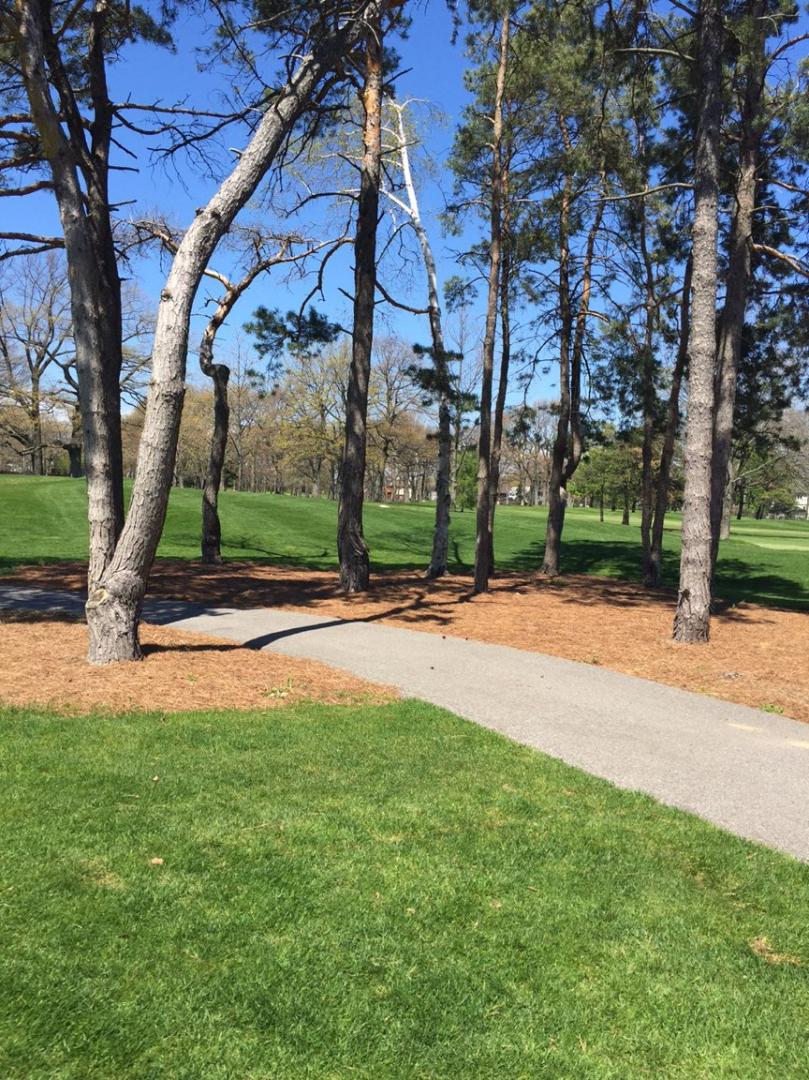
The fine texture and uniform colour of pine straw is simply more aesthetically pleasing to some users. The non-detracting, earthly façade brings out the colour, contrast and texture of landscapes. Pine Straw also prevents plants, flowers and fruit from becoming splashed with mud. Added annually it gives landscape a fresh clean and renewed appearance.
Pine Straw changes a rich auburn colour when wet.
Longevity
Pine Straw breaks down more slowly than wood mulch, so it needs to be re-applied less often.
Lightweight
Pine Straw is easily handled because of its lightweight.